How Regular EICR Testing Prevents Business Disruption and Ensures Compliance
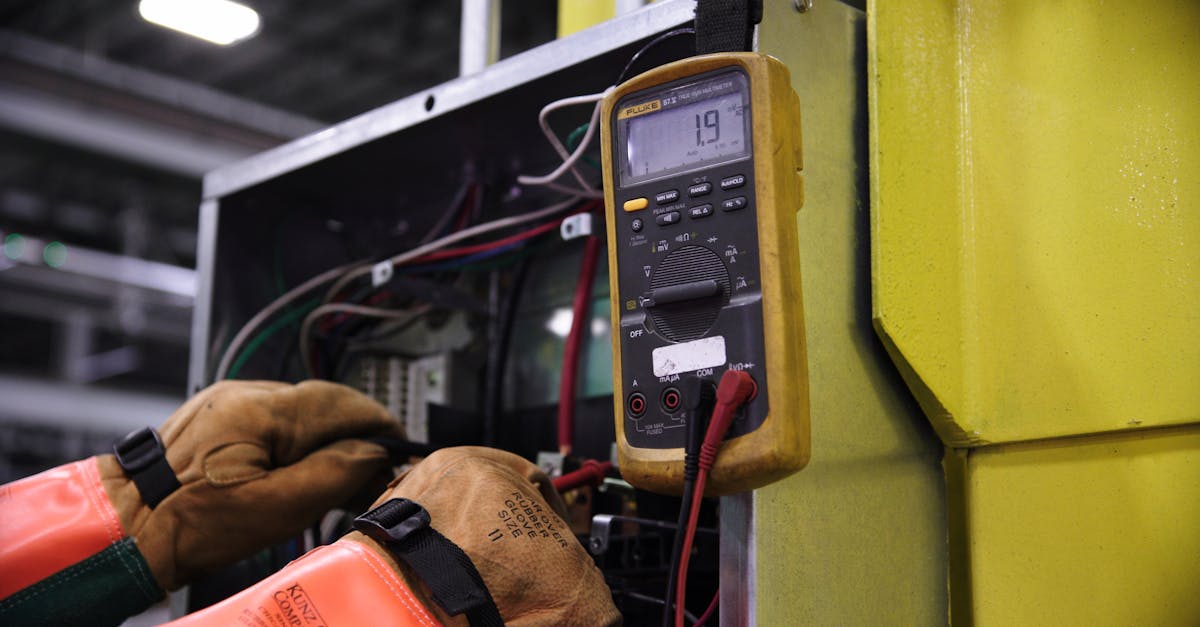
Electrical safety and business continuity are deeply interconnected, yet many commercial property owners and managers underestimate just how critical regular EICR (Electrical Installation Condition Report) testing is to their day-to-day operations. At Falcon Electrical, with over 40 years of focused experience across Scotland and the UK, we see every week how proactive maintenance and compliance can protect against avoidable disruption, reputational damage, and unexpected costs. Let’s break down what regular EICR testing truly delivers, how it fits into your compliance obligations, and why it’s a cornerstone of a resilient business strategy.
What an EICR Actually Reveals: The Foundations of Safety
A modern EICR is a comprehensive inspection and testing process covering all hard-wired electrical systems within a commercial or industrial premise. This includes not just distribution boards, sockets, switches, and lighting, but also more obscure areas where faults can lurk undetected for years. For business owners, it’s not about ticking a box—it's the only defensible way to demonstrate duty of care for your staff, clients, tenants, and wider reputation.
- Safety Status: Is your installation safe for continued use?
- Compliance: Does your wiring meet the latest edition of BS 7671 (IET Wiring Regulations)?
- Risk Assessment: Have any circuits or equipment deteriorated, suffered damage, or are at risk of overload?
- Legal Protection: Does your documentation show you’ve exercised due diligence as an employer or landlord?

Testing Intervals: How Often Should You Schedule an EICR?
Intervals aren’t one-size-fits-all. Most commercial properties need an EICR every 5 years, while higher-risk venues (like hotels, leisure centres, and industrial plants) may require testing every 3 years or sooner. Environments exposed to moisture, dust, corrosive atmospheres, or heavy usage might need even more frequent attention. At Falcon, we tailor inspection intervals based on the true operational profile of your site, considering installation age, maintenance history, and criticality of operations.
- Offices/Retail/Flexible Workspaces: Typically every 5 years
- Leisure, Hospitality, Theatres: Every 3 years (or as usage demands)
- Manufacturing, Industrial, Water Treatment: 3–5 years, sometimes with annual partial inspections or thermal imaging
- Mixed-use or Multi-tenant Facilities: Often based on the most stringent area/occupancy use within the premises
Why Regular EICR Testing Prevents Business Disruption
Early Warning: Identifying Problems Before They Shut You Down
Electrical faults rarely appear overnight. Most start as minor insulation damage, loose connections, or overloaded circuits—which, left unchecked, can escalate into sudden outages, equipment loss, or worse, fires and injuries. EICR testing uncovers these issues before symptoms appear on your factory floor or hotel bookings system.
- Detection of hidden overheating signs and deteriorating cable conditions
- Confirmation of effective earth continuity and automatic disconnection of supply
- Identification of poor installation practices from previous works or occupant changes
- Location of overloaded equipment and outdated or damaged protection devices
For many of our clients, this proactive finding and fixing saves not just thousands in downtime, but also ensures a safe working environment, meeting insurance and regulator expectations.
Turning Emergencies into Planned Maintenance
One of the strengths of a professional EICR report is its clear classification system. Faults are coded based on their urgency:
- C1: Immediate danger is present and the installation must be made safe at once.
- C2: Potentially dangerous and needs urgent attention, but not emergency isolation.
- C3: Improvement recommended to enhance safety moving forward.
- FI: Further investigation required swiftly.
This precise reporting lets facilities managers, landlords, and compliance teams plan remedial work intelligently—scheduling repairs during off-peak times, budget cycles, or maintenance shutdowns, rather than reacting to a crisis.
Sensible Scheduling Minimises Interruption
Disruption is a primary concern for any operating business. Our approach at Falcon Electrical is to work collaboratively—planning inspections and any necessary follow-up work around your operational rhythm. That might mean:
- Working overnight or at weekends to avoid customer or production downtime
- Phased testing—isolating only certain areas at a time
- Coordinated communication with your facilities and IT teams so critical systems aren’t affected
- Combining EICR with other periodic testing, like emergency lighting or Portable Appliance Testing, for one seamless site visit

Non-Intrusive Predictive Maintenance: Thermal Imaging
We often supplement EICR testing with thermal imaging surveys. These use infrared to spot overheating parts in distribution boards and panels without the need to power down equipment, identifying emerging issues—like loose connections or unbalanced loads—before failure occurs. This means fewer unplanned outages and more predictive, data-driven asset management.
How EICR Supports Compliance and Protects Your Business
Legislation and Due Diligence
The UK’s Electricity at Work Regulations require business owners and duty holders to maintain electrical systems in a safe condition. While regulations don’t specifically state the word “EICR”, this report is accepted industry-wide as the gold standard for satisfying your legal duty, both by regulators and insurers. Without up-to-date EICRs, demonstrating proactivity in the event of an incident—or responding to an insurer’s request—can become a major headache.
- Meets expectations of BS 7671 wiring standards
- Evidence for landlords, insurers, investors, and tenants of ongoing compliance
- Supports robust internal Health & Safety and Facilities audits
Insurance and Lease Requirements
Increasingly, insurance providers ask for current EICR certificates as part of policy renewal. Failure to keep these updated—or to action recommended remedial works—can risk voiding cover. Similarly, commercial leases often make EICR documentation a precondition for occupation or renewal, reducing potential disputes between landlords and tenants regarding responsibility.
What Happens During an EICR? The Falcon Approach
Planning and Preparation
- Free initial site survey and review of current plans
- Discussion with your team to pinpoint highest-risk areas and critical operations
- Risk and method statements developed for bespoke environments
Physical Inspection
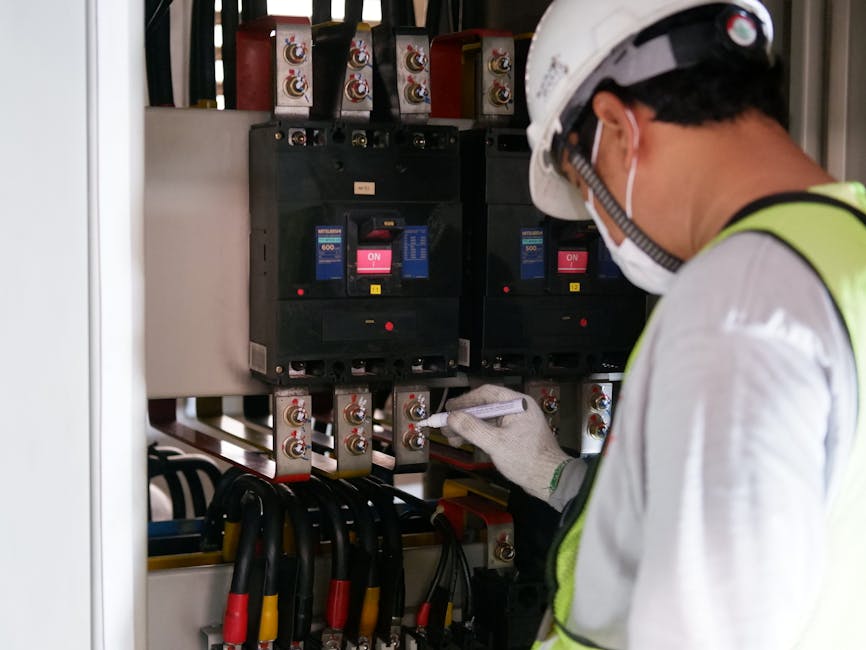
- Visual checks for signs of heat, damage, missing covers, exposed live parts
- Review of legacy installations and modifications
- Checks for cable integrity and correct labelling
Testing & Data Gathering
- Verification of earth continuity and polarity
- Insulation resistance and effectiveness of circuit protection (e.g. RCDs)
- Recording test outcomes and photographic evidence for key issues
Report and Action
- Electronic reports—usually within 24 hours—with actionable coding
- Clear schedule of recommended next inspection
- Remedial quotations priced by urgency, delivered by our same expert team
Making EICR Part of the Bigger Compliance Picture
Rather than waiting until near the testing deadline or an insurer’s reminder, we encourage clients to take a strategic approach. Integrating EICR with other legal safety checks (like PAT, emergency lighting testing, and periodic maintenance) supports seamless compliance, proactive budget planning, and fewer last-minute surprises.
- Many offices and retail premises benefit from an EICR every 5 years, but may schedule annual visual checks or thermal imaging on top.
- Manufacturing sites often build EICR, PAT, and emergency lighting reviews into a single, rolling annual programme.
- Hotels and multi-use facilities plan inspections outside of peak occupancy or guest-facing periods to minimise disruption.
Take Ownership of Your Electrical Compliance Strategy
As commercial specialists, we believe electrical safety is worth getting right the first time. Many of our team have decades in the field, and we’ve seen the long-term benefits when clients move from reactive fire-fighting to preventative management. Some questions to consider:
- When was your last EICR, and are you confident all high-priority items were addressed?
- Is your renewal timetable aligned with insurer and internal HSE requirements?
- Is a single provider handling both your inspection and remedial works to streamline compliance and response times?
Regular, professional EICR testing—delivered by experienced engineers who understand your premises—safeguards not just compliance, but your wider business continuity, employee safety, and public reputation.
Why Choose Falcon Electrical?
Our difference is depth of experience, in-house expertise, and a commitment to quality. For every inspection, you benefit from directly employed engineers, stringent health and safety standards, and competitive, transparent pricing. Every system we inspect, we can also maintain and upgrade—using only top-rated UK-sourced materials. Our accreditations (NICEIC, SELECT, CHAS, Alcumus SafeContractor, and more) reflect our ongoing drive for excellence.
If you're considering your next step in electrical compliance—or just want to assess your current risk and readiness—our team is happy to offer an initial consultation or site survey tailored to your needs. Learn more about EICR testing with Falcon Electrical or contact us through our online enquiry form.
Future-proofing your business begins with peace of mind and rigorous compliance. With Falcon Electrical as your partner, you’ll never be left wondering if your systems are fit for use or if you’re exposed to unnecessary risk. Let’s keep your people safe, your plant running, and your compliance watertight.